BBC Says It Is ‘Determined To Fight’ Trump’s Promised Defamation Lawsuit Over Edit of His January 6 Speech
‘There is no basis for a defamation case,’ the BBC’s chairman says.
The British Broadcasting Corporation is striking a defiant tone in the face of President Trump’s threat of an up to $5 billion defamation lawsuit.
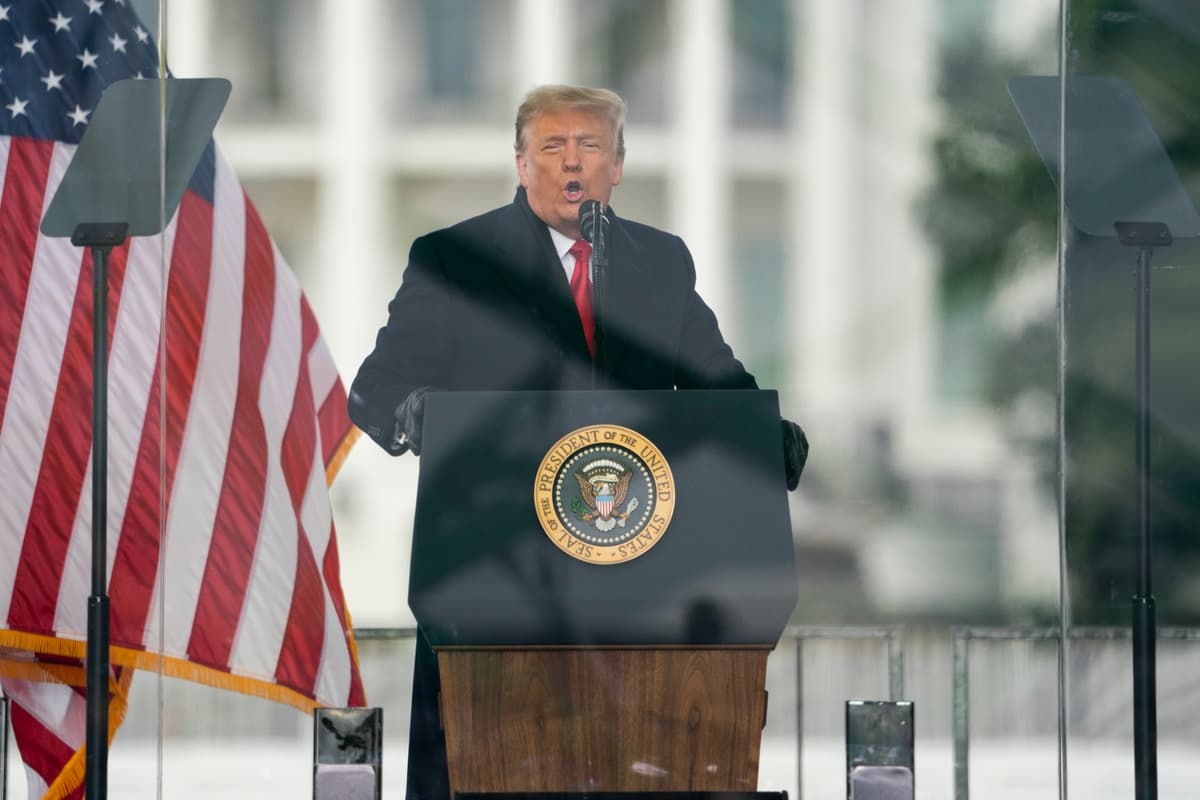
Mr. Trump said on Friday that he is planning to sue the BBC for $5 billion over its editing of his speech on January 6, 2021, which was edited in a way that made it sound as though he encouraged his supporters to engage in violence, while omitting his call for them to behave “peacefully and patriotically.”
The BBC issued an apology on Thursday and stated that it did not plan to broadcast that episode again. However, it said it would not compensate the president for the editing decision and said that it does not believe that he has grounds to sue for defamation.
In the face of Mr. Trump’s threatened lawsuit, the chairman of the BBC, Samir Shah, said in a memo on Monday, “There is a lot being written, said and speculated upon about the possibility of legal action, including potential costs or settlements.”
“In all this we are, of course, acutely aware of the privilege of our funding and the need to protect our license fee payers, the British public,” he said. “I want to be very clear with you — our position has not changed. There is no basis for a defamation case, and we are determined to fight this.”
The video clip at issue stems from a 2024 episode of the BBC’s “Panorama.” In the episode, Mr. Trump is depicted saying, “We’re going to walk down to the Capitol… and I’ll be there with you. And we fight. We fight like hell.”
But on the day, the remarks about fighting came 50 minutes after the first part of the quote, and the clip did not include his call for his supporters to “peacefully and patriotically make your voices heard.”
Mr. Trump is expected to file his lawsuit in Florida, a state where left-wing journalists and legal observers have predicted jurors may be less sympathetic to large media companies.
In January, a Florida-based jury found CNN liable for defaming a Navy veteran, Zachary Young, when it accused him of charging Afghans desperate to flee Afghanistan “exorbitant” fees. Mr. Young said the allegations were false and that he was working for corporate clients to evacuate their personnel from a conflict zone.
The ruling marked a rare loss for a media company in a defamation case in America. Such lawsuits are often tossed out on summary judgment by judges or settled before they make it to trial. In August, a Florida-based judge dismissed two defamation lawsuits Mr. Young filed against media outlets over the coverage of his CNN trial.
ABC News paid $16 million to settle Mr. Trump’s defamation lawsuit that he filed against a star host, George Stephanopoulos, who said the president had been found liable for rape. In a 2023 civil trial brought by writer E. Jean Carroll, a jury found Mr. Trump liable for sexual abuse and defamation, but not for rape under New York civil law.
For Mr. Trump to win his defamation lawsuit, he would have to show that the BBC acted with “actual malice” — or that it knew what it was broadcasting was untrue and proceeded anyway — when it spliced together the portions of his January 6 speech.
A media editor for the BBC, Katie Razzall, noted in an article that the network believes that it will be hard for Mr. Trump to show that it acted with malice when it edited the “Panorama” episode because it did not air in America. The BBC is also likely to push back on the allegations that the editing caused Mr. Trump harm by noting that he was elected in 2024.
While the BBC says it intends to “fight” Mr. Trump’s lawsuit, Ms. Razzall questioned whether the network will follow through on its commitment, as it is expected to lead to a costly, protracted legal battle at a time when executives are supposed to be negotiating its charter.