Can Robert F. Kennedy Jr. Enforce His Planned Phase-Out of ‘Toxic’ Food Dyes? ‘Big Food’ May Have Other Plans
The Consumer Brands Association says that ‘no agreement’ had been made before Secretary Robert F. Kennedy Jr. announced her was phasing out what he has called ‘mass poison’ artificial dyes.
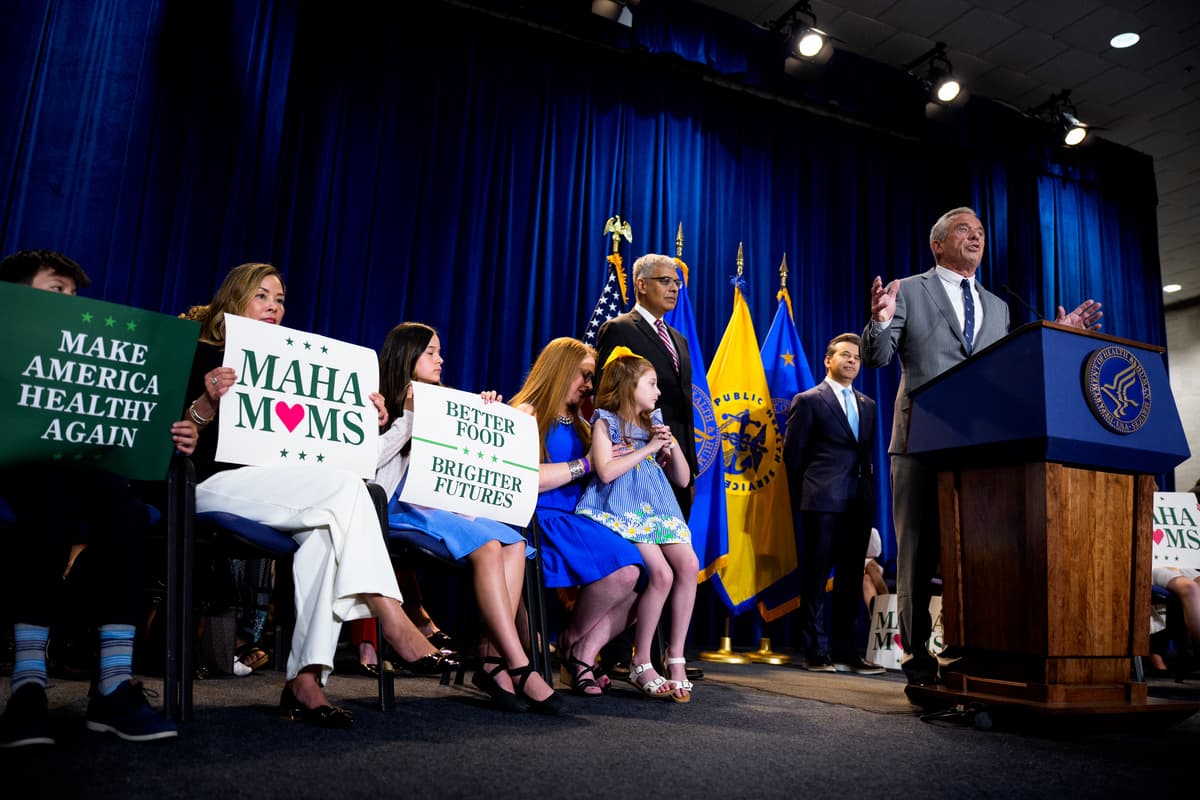

One day after the Health and Human Services secretary, Robert F. Kennedy Jr., unveiled his agency’s ambitious plan to phase out “toxic” artificial dyes from the nation’s food supply, an industry group shot back, saying that nothing formal had been finalized prior to yesterday’s celebratory press conference.
“There was no agreement,” said Consumer Brands Association spokeswoman Natalie Rubino in an email to The Sun.
Mr. Kennedy has led the government’s health bureaucracy into uncharted territory. It’s far from clear how much power he has to unilaterally get the dyes he despises out of Americans’ food, without agreement from the powerful food industry, or from Congress.
The FDA commissioner, Dr. Marty Makary, clarified during Tuesday’s announcement, which laid out plans to eliminate several “toxic” petroleum-based dyes by the end of 2026, that the government had reached “an understanding,” not an agreement, with food companies.
“As Secretary Kennedy and Commissioner Makary stated during yesterday’s press conference, the food companies HHS met with recognize the harmful effects of synthetic food dyes on children. These companies are eager to engage in discussions about phasing out these dyes to promote a healthier America,” said an HHS Official in an email to The Sun.
In March, Mr. Kennedy met with the CEOs of giant processed food producers – referred to by their detractors as “Big Food” – such as The Kraft Heinz Company, General Mills, and Kellogg’s, among others. He claimed after the meeting that, “We will strengthen consumer trust by getting toxins out of our food” and promised “radical transparency,” a corporate buzzword with many interpretations.
Shortly after the meeting, the Consumer Brands Association made a more modest proposal that companies voluntarily eliminate petroleum-based dyes from their products, offer dye-free foods in schools, and submit a petition calling for the FDA to “revoke regulations” on synthetic food dyes, all by the end of 2025, according to a memo obtained by Bloomberg News.
On Tuesday, Mr. Kennedy and Dr. Makary were joined onstage with a cheerful group of MAHA (Make America Healthy Again) Moms and their young children. The two men charted out their plans to eliminate six artificial dyes and made the controversial claim – citing scientific studies – that the dyes played a role in a dramatic increase in diagnoses of autoimmune diseases, infertility, ADHD, and insulin resistance.
The six artificial dyes that Health and Human Services wants phased out from food include FD&C Green No. 3, FD&C Red No. 40, and FD&C Blue No. 2.
Two synthetic food colorings, Citrus Red No. 2 and Orange B, are already in the process of having their authorization revoked.
Several of these dyes are widely used in so-called ultraprocessed foods– cereals, candy, baked goods, snacks and drinks – enormously popular among Americans.
As substitutes to artificial dyes, Dr. Makary recommended that food companies use watermelon or beet juice, holding up jars of the viscous liquids for emphasis. The FDA will authorize four additional natural color additives made from natural ingredients in the coming weeks.
Vani Hari, an influential food activist and “MAHA Mom” known for her outspoken criticism of the food industry on her “Food Babe” website and social media channels, called yesterday’s announcement “a win for every American who doesn’t know the truth about our food.”
In a statement, Consumer Brands Association president and CEO Melissa Hockstad said that food and beverage companies will increase the use of alternative ingredients but will “not sacrifice science or the safety of our products.”
It’s still not immediately clear what HHS’s enforcement powers are, or what kind of penalties food companies might face if they refuse to cooperate. Neither the HHS’s deadline nor any self-imposed timeline comes with specified consequences for non-compliance.
The push for more regulation also goes against the grain of the Trump Administration’s aggressive move to roll back environmental regulations as well as federal policies and regulations seeking to enforce racial and gender “equity,” as well as “diversity, equity and inclusion,” in the public and private sectors.
“They will be forced to by regulatory measures if they don’t comply,” said Ms. Hari. An HHS representative did not immediately respond for clarification on whether this was in keeping with the HHS’s plans.
During the press conference, Dr. Makary took a moment to thank America’s food manufacturers.
“Many have been extremely cooperative. There are many good people in food manufacturing,” said Dr. Makary.

